Sleep, Recovery, and Performance: Where Sermorelin Fits
Training consistently is important. But progress isn’t built during the workout itself, it’s built in the hours and days that follow.
Sleep quality, recovery, and the body’s ability to adapt all play a critical role in performance. When recovery starts to lag, even the most consistent training routines can stall. Energy dips. Sleep feels less restorative. Results take longer to show.
This is where recovery-focused support becomes relevant.
Why Sleep and Recovery Matter More Than You Think
Recovery is when your body repairs tissue, adapts to training stress, and prepares for the next effort. Quality sleep is a major driver of this process.
When sleep is disrupted or recovery is incomplete, progress slows. Over time, this can show up as persistent fatigue, reduced training readiness, or difficulty maintaining lean muscle, even when effort remains high.
Supporting recovery isn’t about doing less. It’s about creating the conditions that allow your work to compound.
The Role of Growth Hormone Signaling
Growth hormone plays an important role in recovery and repair. It supports tissue regeneration, metabolic processes, and overall resilience and it is released naturally in pulses, primarily during deep sleep.
Factors like age, chronic stress, and poor sleep quality can affect growth hormone signaling over time. When this signaling becomes less consistent, recovery can feel slower and sleep less restorative.
Supporting the body’s natural growth hormone pathways is one way clinicians think about improving recovery and performance capacity.
Where Sermorelin Fits
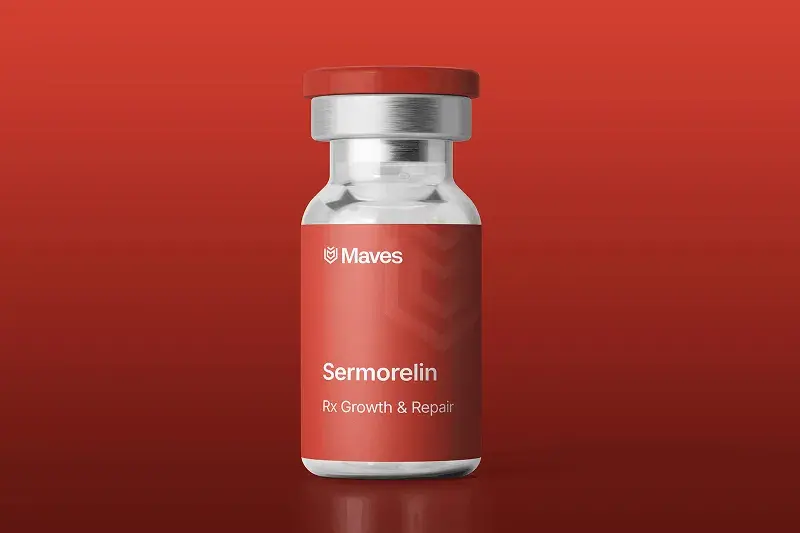
Sermorelin is designed to support the body’s natural growth hormone production, rather than replace it.
It works by stimulating growth hormone–releasing hormone (GHRH), encouraging the body to produce growth hormone on its own. This makes it fundamentally different from synthetic HGH.
In a performance and recovery context, Sermorelin is often used to support:
- More restorative sleep
- Improved recovery from training and daily stress
- Lean muscle support when paired with training
- Steadier energy and resilience
It’s not a shortcut, and it’s not a substitute for training, nutrition, or sleep habits. It’s a supportive tool, one that fits best within a structured, medically guided approach.
Why Medical Guidance Matters
Recovery-focused therapies aren’t one-size-fits-all. Dosing, timing, and expectations all matter, especially when the goal is long-term performance and sustainability.
Medical guidance helps ensure Sermorelin is used appropriately, monitored over time, and aligned with your broader goals. This allows recovery support to remain steady and intentional, rather than reactive.
What the Research Suggests
Research on growth hormone signaling and recovery highlights several consistent themes:
- Growth hormone release is closely tied to deep sleep quality
- Supporting natural GH pathways may help improve recovery and tissue repair
- Benefits are most relevant when therapies are used consistently and appropriately, alongside training and healthy sleep habits
While individual responses vary, this body of research helps explain why recovery-focused, appetite- or hormone-supportive approaches are increasingly used in modern performance care.
What This Means for You
Performance isn’t just about how hard you train. It’s about how well you recover, night after night, week after week.
If sleep quality, recovery, or energy feel like limiting factors, recovery-focused medical support may be worth exploring. Used thoughtfully, Sermorelin can help support the systems that allow progress to continue.
If you’re curious whether this approach is right for you, a medically guided evaluation is the first step.
Keep reading

Product · September 28, 2026 · 2 min read
NAD+ Benefits: What It Does and Who It Supports

Product · September 14, 2026 · 3 min read
Enclomiphene and Body Composition: The Muscle-to-Fat Advantage for Men

Product · September 11, 2026 · 2 min read
NAD+ and Brain Fog: Can It Sharpen Focus and Mental Clarity?
Not sure where to start?
We’ll find your treatment.
Our quiz matches you to the right protocol or individual treatment in under 2 minutes.
- No commitment
- Takes only 2 minutes
Not sure where to start? We’ll find your treatment.
Our quiz matches you to the right protocol or individual treatment in under 2 minutes.
- No commitment
- Takes only 2 minutes