Probiotics and GLP-1s: Can They Enhance Weight Loss Results?
The Direct Answer: Probiotics do not "boost" the drug in a way that burns more fat directly. However, they can significantly enhance results by mitigating gastrointestinal side effects, improving insulin sensitivity, and supporting the natural production of "endogenous" GLP-1. A healthy microbiome acts as a force multiplier for the medication, ensuring your digestive tract can handle the slowed motility caused by the drug.
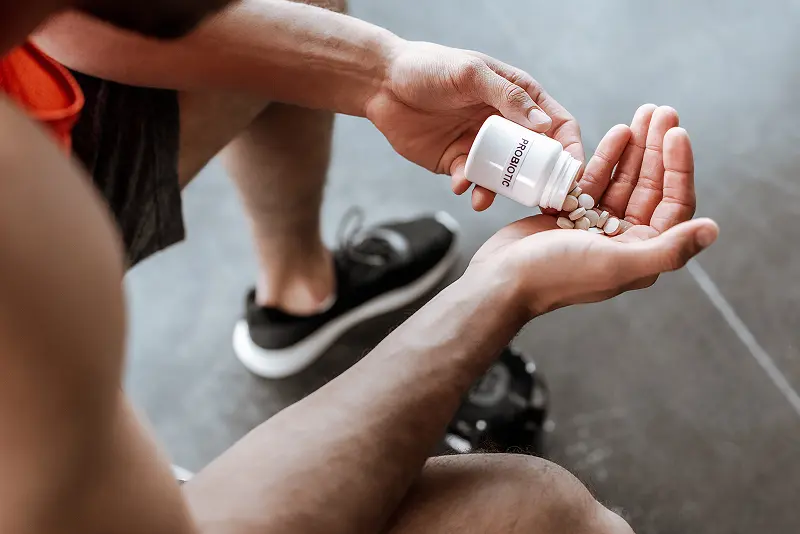
The Science: The "Akkermansia" Connection
The most significant link between probiotics and GLP-1s involves a specific strain of bacteria called Akkermansia muciniphila.
- Natural GLP-1 Stimulation: Akkermansia secretes a protein called P9, which directly stimulates the L-cells in your gut to produce more of your body's own natural GLP-1.
- Gut Barrier Integrity: GLP-1 medications can sometimes alter the mucus layer of the gut. Akkermansia and other beneficial strains (like Bifidobacterium) strengthen the gut barrier ("tight junctions"), preventing "leaky gut" and the systemic inflammation that stalls weight loss.
- Short-Chain Fatty Acids (SCFAs): Probiotics ferment fiber into SCFAs like butyrate. Butyrate signals the brain to reduce appetite and tells the body to burn fat more efficiently, essentially speaking the same "metabolic language" as your medication.
Key Components: Probiotics as "Side-Effect Managers"
Beyond weight loss, probiotics serve a functional role in managing the "GI Tax" of GLP-1 therapy:
- Combatting Constipation: Strains like Bifidobacterium lactis have been clinically shown to improve "gut transit time." Since GLP-1s slow the gut down, these bacteria provide the mechanical "push" needed to keep waste moving.
- Reducing Bloating and Gas: Slowed digestion often leads to fermentation of food in the stomach. Probiotics help balance the bacterial "overgrowth" that causes the uncomfortable bloating associated with the first few months of therapy.
- The "Mood-Gut" Axis: 90% of your serotonin is produced in the gut. By maintaining microbial balance, probiotics can help mitigate the "flatness" or low mood some patients report during dose escalation.
Dietary and Lifestyle Foundations: Feeding the Bacteria
Taking a pill isn't enough; you must provide the "fertilizer" (prebiotics) for the probiotics to survive.
- Targeted Prebiotics: To boost Akkermansia, focus on polyphenol-rich foods like pomegranate, cranberries, and green tea. These don't just feed the bacteria; they create the specific environment it needs to thrive.
- Fermented Variety: Incorporate small amounts of sauerkraut, kimchi, or kefir. These provide a diverse "starter culture" for your microbiome.
- Avoid Artificial Sweeteners: Some sweeteners used in "diet" foods can negatively alter the microbiome, potentially working against the metabolic benefits of your GLP-1.
Comparison: Leading Probiotic Strains for Metabolic Health
| Strain | Primary Benefit | 2026 Clinical Status |
|---|---|---|
| Akkermansia muciniphila | Increases insulin sensitivity; supports gut lining. | The "Gold Standard" for GLP-1 users. |
| Lactobacillus gasseri | Linked specifically to visceral (belly) fat reduction. | Strong evidence for metabolic support. |
| Bifidobacterium animalis | Improves gut transit time (prevents constipation). | Essential for side-effect management. |
| Lactobacillus rhamnosus | Helps regulate appetite and sugar cravings. | Useful for "food noise" management. |
Red Flags: When Probiotics Might Clash
- SIBO (Small Intestinal Bacterial Overgrowth): If you have SIBO, adding more probiotics while on a GLP-1 (which already slows the gut) can lead to extreme pain and bloating.
- Immunocompromised Status: Always consult your doctor before starting probiotics if you have a compromised immune system.
- The "Die-Off" Effect: When starting probiotics, you may feel worse for 3–5 days (gas/headaches) as your microbiome shifts. This is normal, but if it persists, the strain may not be right for you.
FAQ Section
Should I take probiotics at the same time as my GLP-1 injection?
There is no direct interaction. You can take your probiotic daily, regardless of when you take your weekly injection. Consistency with the probiotic is more important than timing it with the shot.
Can probiotics replace GLP-1 medications?
No. While probiotics can support metabolic health, they do not have the same pharmacological "horsepower" as a GLP-1 agonist. They are best used as a synergistic support system.
Keep reading

Health Facts · May 25, 2026 · 3 min read
Decoding REE: What Resting Energy Calories Actually Mean

Health Facts · May 25, 2026 · 3 min read
From Food to Fuel: How Your Body Extracts Energy

Health Facts · May 25, 2026 · 3 min read
GLP-1 and Cognitive Function: Investigating the Brain Fog Connection
Not sure where to start?
We’ll find your treatment.
Our quiz matches you to the right protocol or individual treatment in under 2 minutes.
- No commitment
- Takes only 2 minutes
Not sure where to start? We’ll find your treatment.
Our quiz matches you to the right protocol or individual treatment in under 2 minutes.
- No commitment
- Takes only 2 minutes